
Digital Control and AI
Follow the infrastructure, institutions and automated systems shaping artificial intelligence, surveillance and digital power.
2010s — The Algorithmic Era

Ranking and recommendation systems shape exposure. Effects vary by platform, data, design and user context.
Digital ID in America
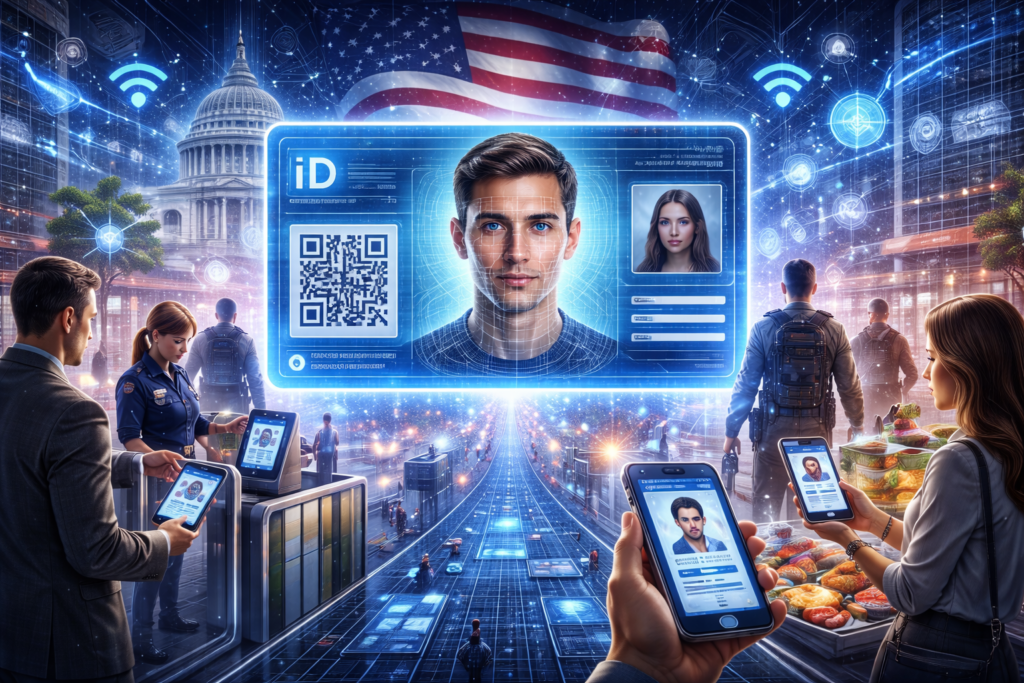
Digital identity standards and mobile credentials are expanding in specific systems. The cited record does not establish one mandatory national identity regime.
Who Controls AI in America

Who controls AI in America is no longer a question about innovation branding alone. It is now a question of state direction, private infrastructure, procurement power, standards language, and national-security urgency.
The Censorship-Industrial Complex

Coordination channels and moderation programmes are documented. The phrase does not itself prove one centrally commanded system or resolve every coercion claim.
The Algorithm Decides
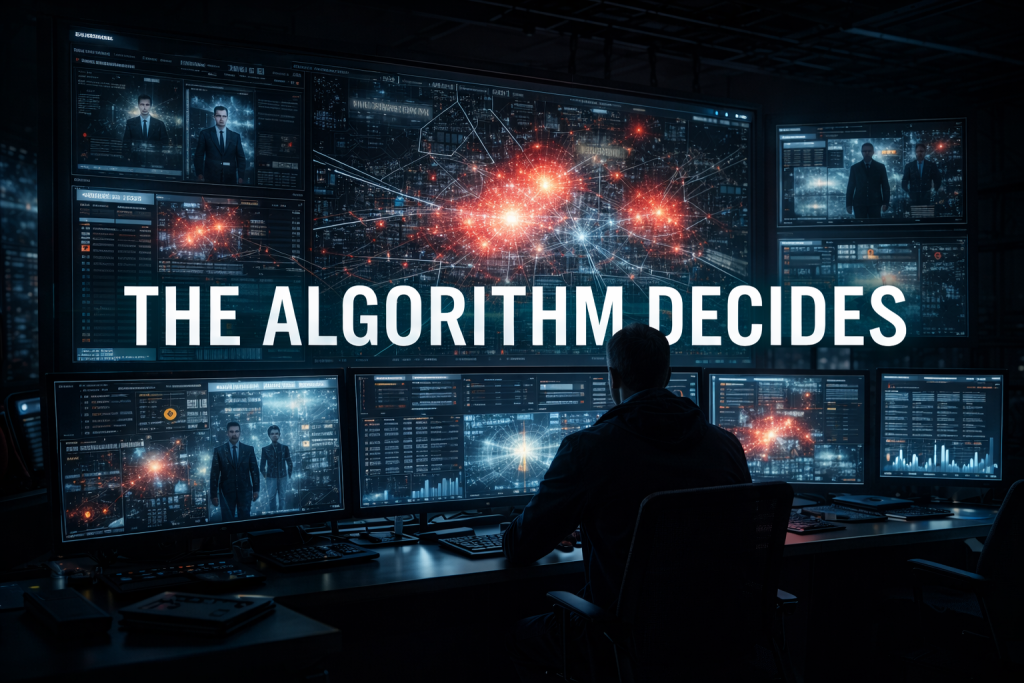
Algorithmic tools can influence operational decisions and reproduce weaknesses in their inputs. The cited record does not establish one universal decision system.
Digital ID & Programmable Money: Building the Global Control Grid
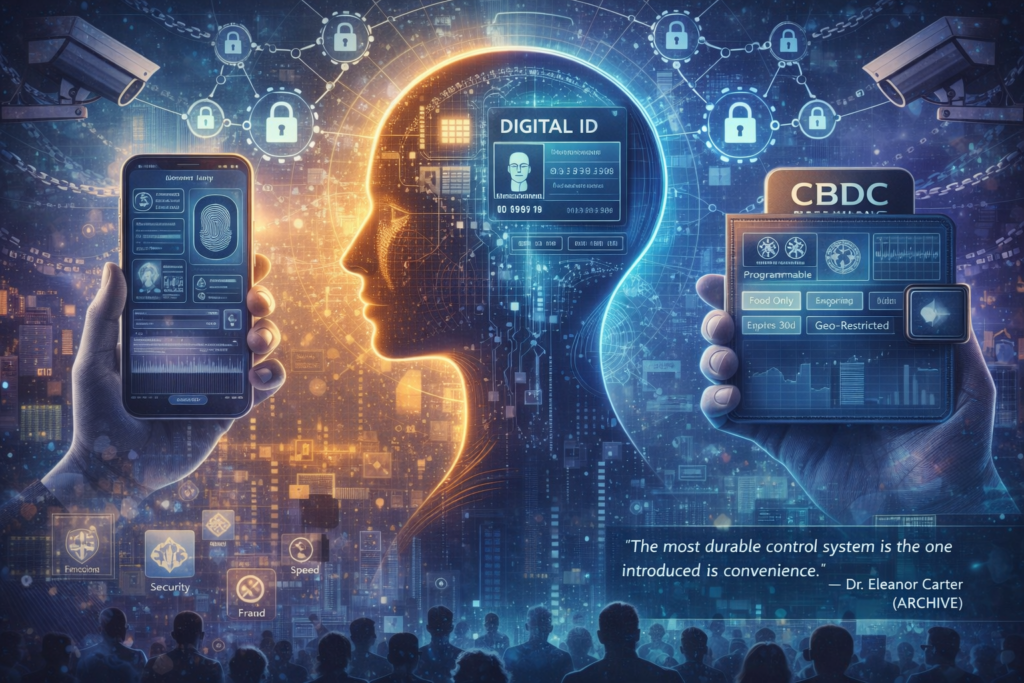
Digital identity standards and CBDC projects are documented. Technical interoperability and rule-based payments do not prove one operational global control grid.
How Smart Cities Became Control Cities

Smart-city systems can improve services and expand monitoring capacity. Governance, purpose and safeguards determine whether infrastructure becomes surveillance.
China’s Surveillance Grid Before COVID: The Roots of Digital Authoritarianism
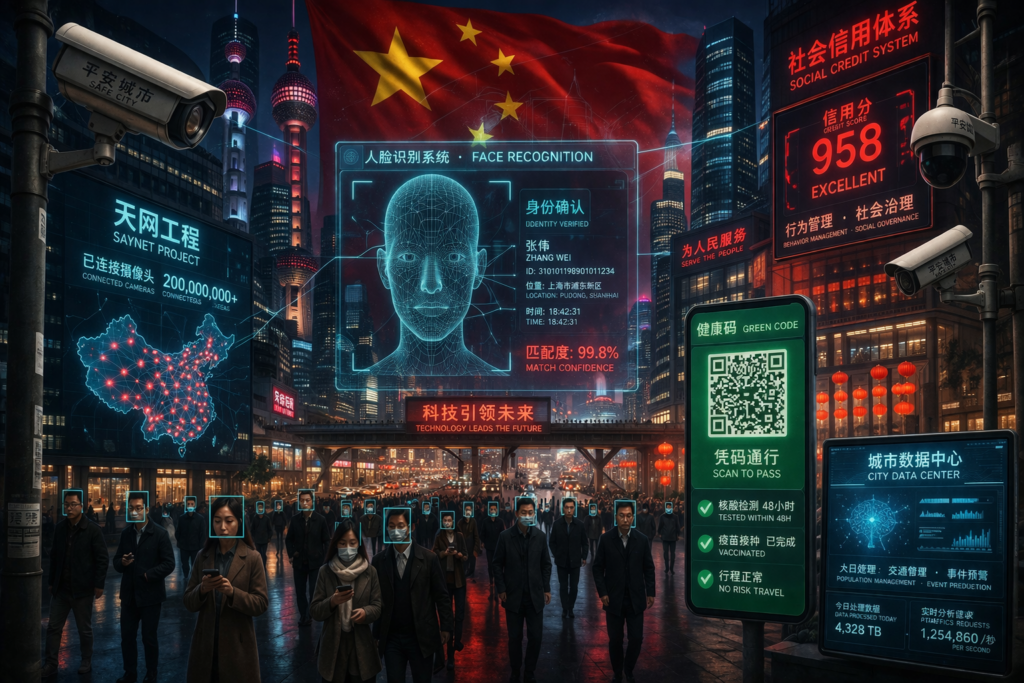
China’s surveillance grid was not created by the pandemic. COVID-19 made parts of it more visible, but the cameras, biometric databases, platform controls, and local reporting systems were already being assembled before the crisis arrived.
Palantir in Healthcare: Revolutionizing Medicine or Building a Data State?

Palantir built its reputation in intelligence and defense. It now applies similar platform logic to hospitals, health agencies, and national health systems. The pitch is efficiency and coordination. The concern is concentrated power over some of the most sensitive data any society holds. When medicine runs on a platform, who really governs the system?
Metadata in Schools: How Student Data Powers a Hidden Agenda

Education systems generate and share substantial student data under specific rules. The cited record does not prove one government-run student social-credit system.
Digital Censorship and the New Gatekeepers: Who Controls Online Speech?

Speech is governed by law, platform policy and institutional pressure. Those layers interact, but the record does not make them one command structure.
Digital ID: The Seductive Convenience That Could End Privacy

Digital ID is sold as a fast upgrade: tap the phone, scan the face, move on. Every version of the pitch sounds reasonable on its own — fewer forms, shorter queues, faster fraud checks, one login instead of a dozen passwords. The friction really does disappear, and that is exactly why adoption spreads without anyone having to force it. What rarely gets said as plainly is what sits underneath the convenience: a single credential wired into government services, banks, travel systems, and private platforms, all able to check it on demand. The real dispute is not whether digital ID works. It is whether that convenience stays optional, or quietly becomes the default gate that everyday life has to pass through.