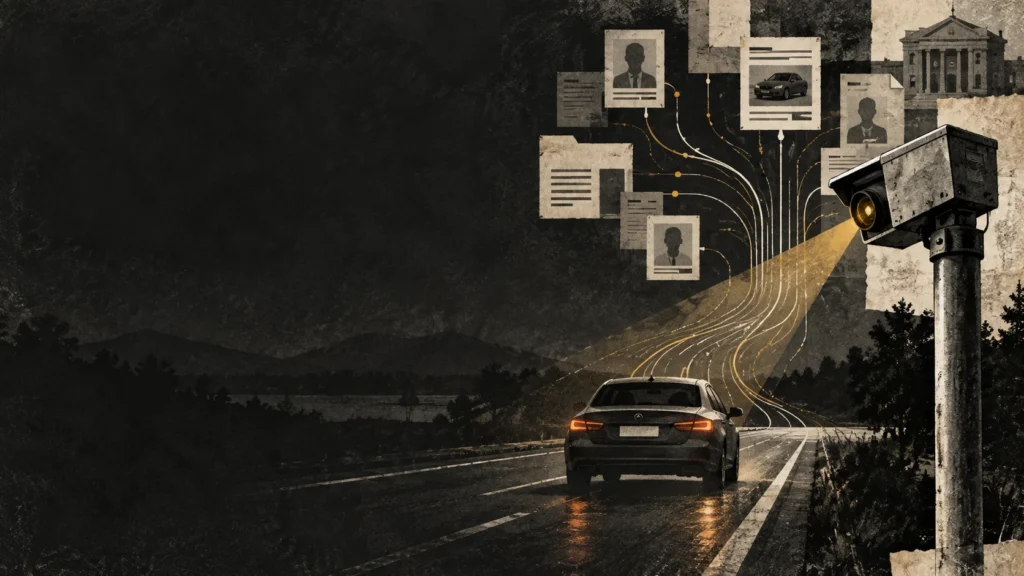
Flock’s Surveillance Network: Who Can Search Your Movements?
Begin with a camera network and the question of which accounts can search its records.
Open dossierThe Network / Evidence-checked reading trails
Each line between two files says why they connect, what the evidence is, and where the link stops.
7 trails · 29 investigations · 27 explained connections
Private cameras, commercial data and allied intelligence all lead to one question: who gets to search what has already been collected.
Begin with a camera network and the question of which accounts can search its records.
Open dossierBoth make privately owned cameras searchable by police. Flock does it through sharing permissions between agencies; Ring did it through a request tool Amazon said in 2024 it would stop.
Limit: Neither file shows Ring and Flock operating as one system.
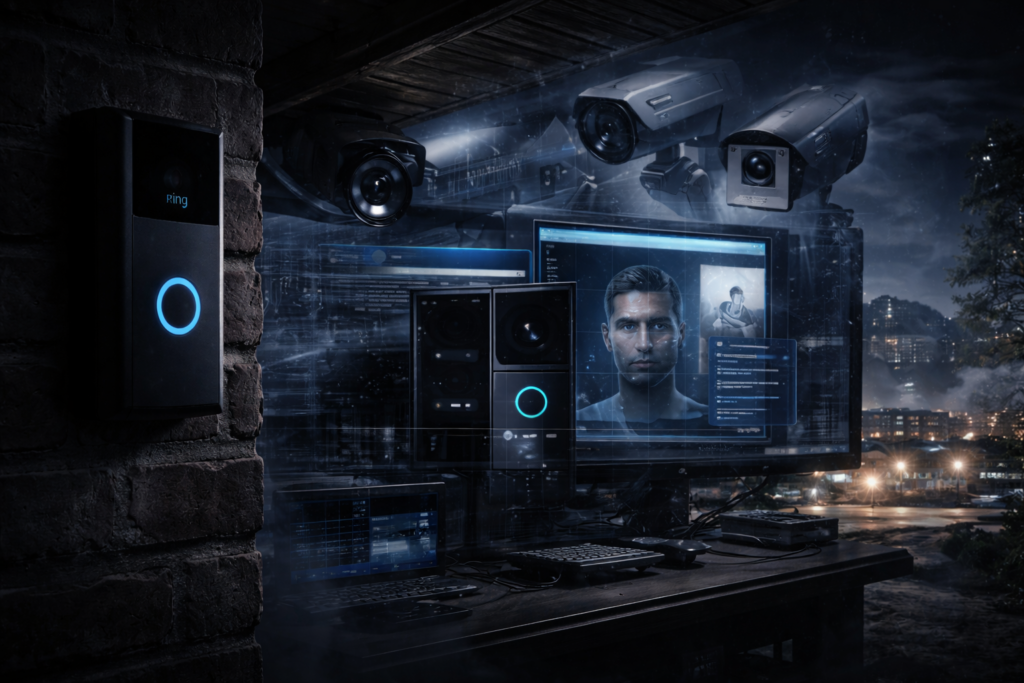 File 02Amazon’s Secret Surveillance Deals: Ring, Rekognition & Government Contracts
The company collects first and government reaches the data later through contracts and procurement, not direct collection.
Limit: The Amazon file says the public record does not prove an integrated domestic surveillance system.
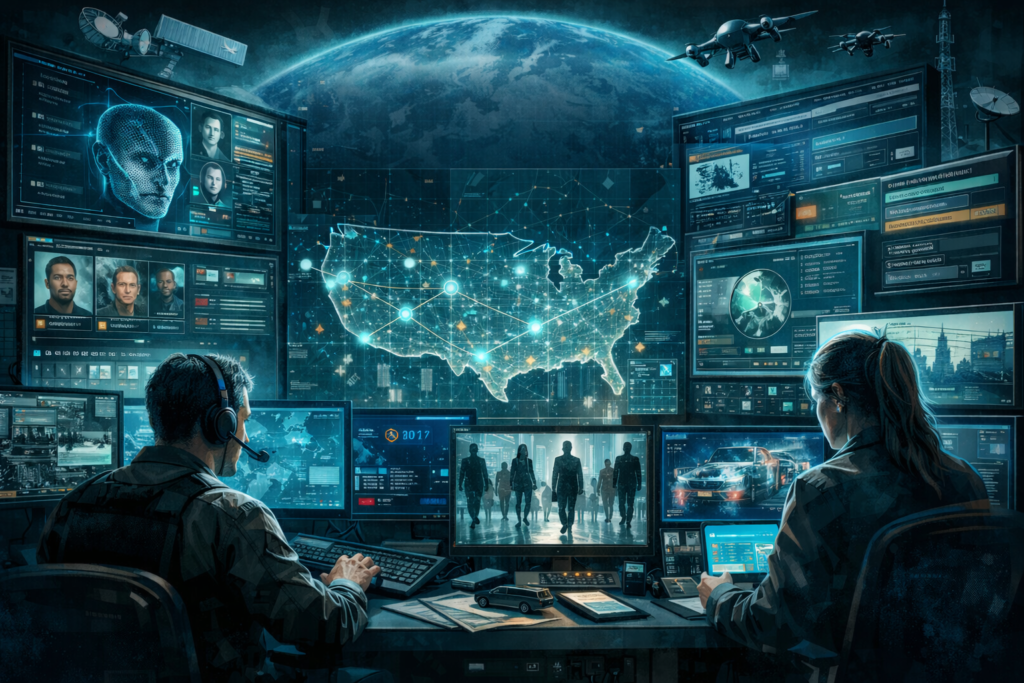 File 03Data Broker Surveillance State: How The U.S. Built A Warrant-Free Tracking Market
Two routes around limits on direct collection: buying commercial data, or receiving what an allied agency collected.
Limit: Neither file claims every purchase or every exchange is unlawful.
 File 04Five Eyes at Home: How Intelligence Sharing Bypassed National Privacy Limits
Both turn on Section 702 data the government already holds, and on what machine-scale analysis changes about searching it.
Limit: The Pentagon file does not support saying Claude was deployed for Section 702 searches.
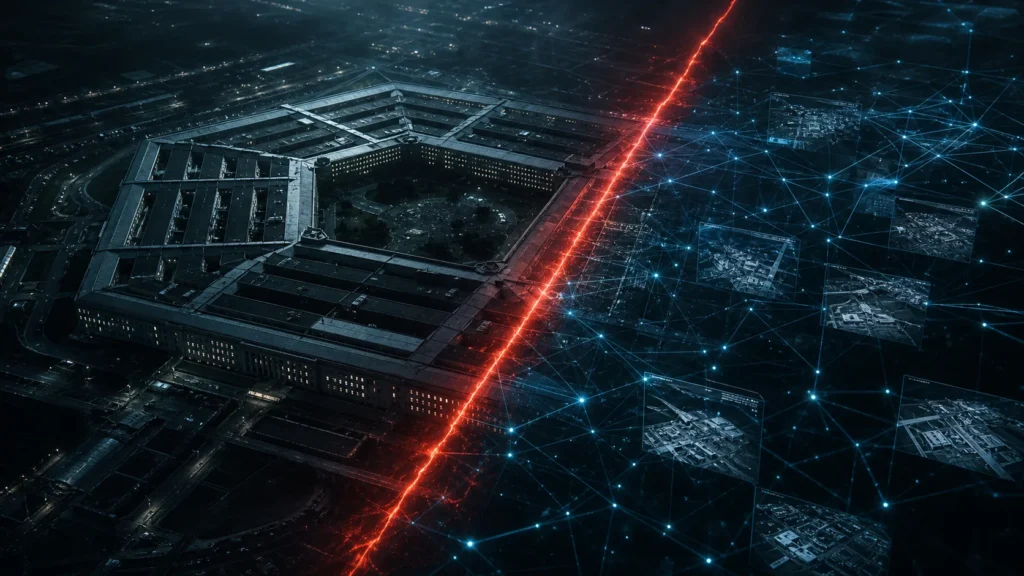 File 05Inside the Pentagon–Anthropic Standoff Over AI Mass Surveillance
From wartime codebreaking to the 2013 leaks: one alliance, four generations of interception.
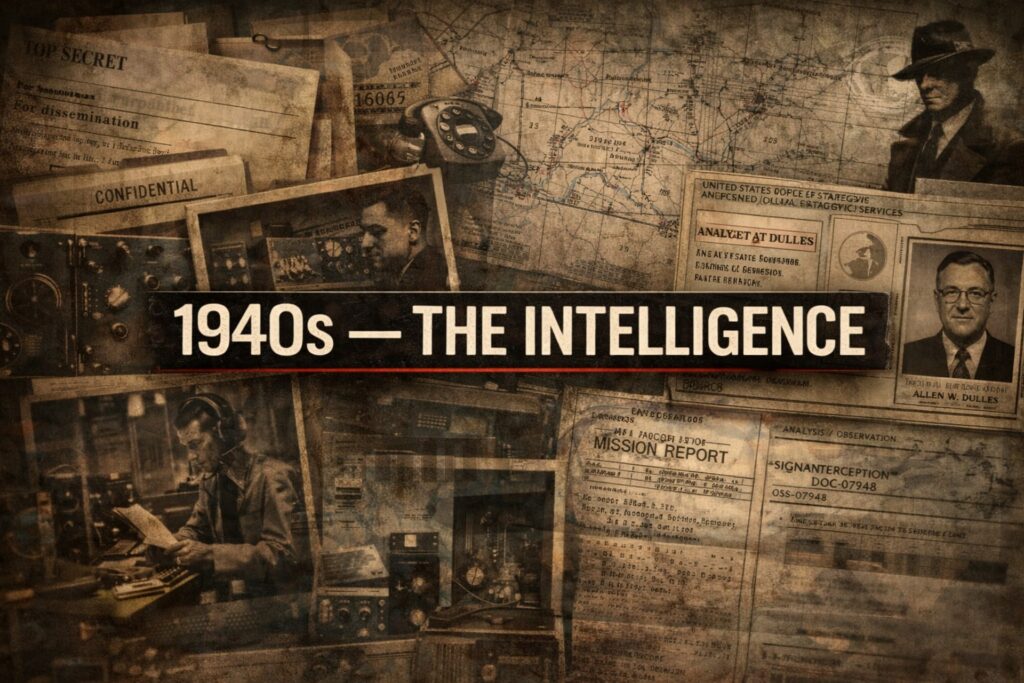
Begin with the postwar settlement that made intelligence a permanent part of the state.
Open dossierWartime intelligence machinery was kept and formalised in 1947; the Five Eyes file traces the wartime signals cooperation that hardened into a standing partnership.
Limit: The 1940s file says later surveillance expansions were not already complete by 1949.
 File 02The Five Eyes Alliance – One Network to Watch Them All
ECHELON is the interception system associated with that partnership, examined by the European Parliament.
Limit: The ECHELON file says documented existence does not make every dramatic claim true.
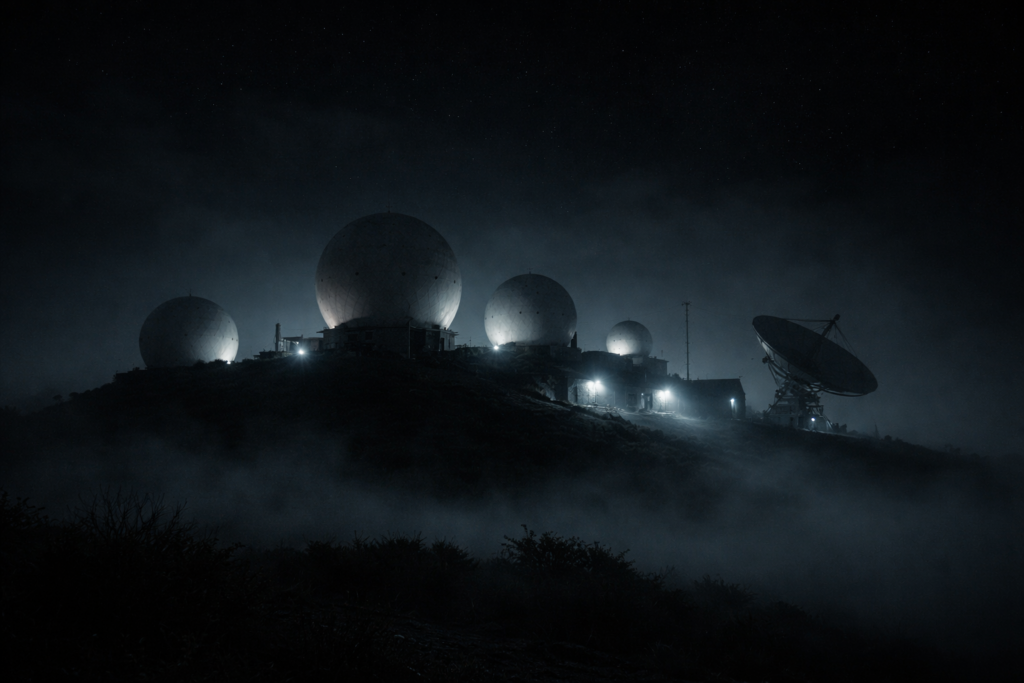 File 03ECHELON Unveiled: Inside the Secret Global Listening Program You Were Never Meant to Know About
From intercepting international traffic to fusing databases for prediction: the same ambition of searching everything, at a different layer.
Limit: TIA file: it influenced the surveillance imagination; later systems need their own proof.
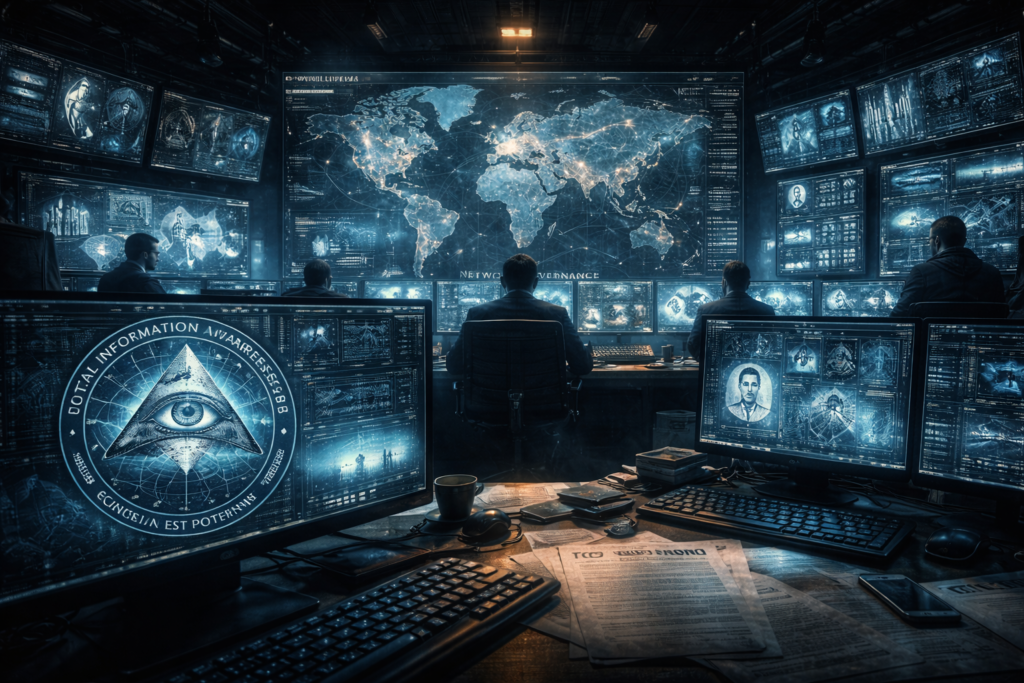 File 04Total Information Awareness: The Precursor to Today’s Surveillance State
Both put data held by companies at the centre of intelligence collection.
Limit: Neither file says PRISM descends from TIA.
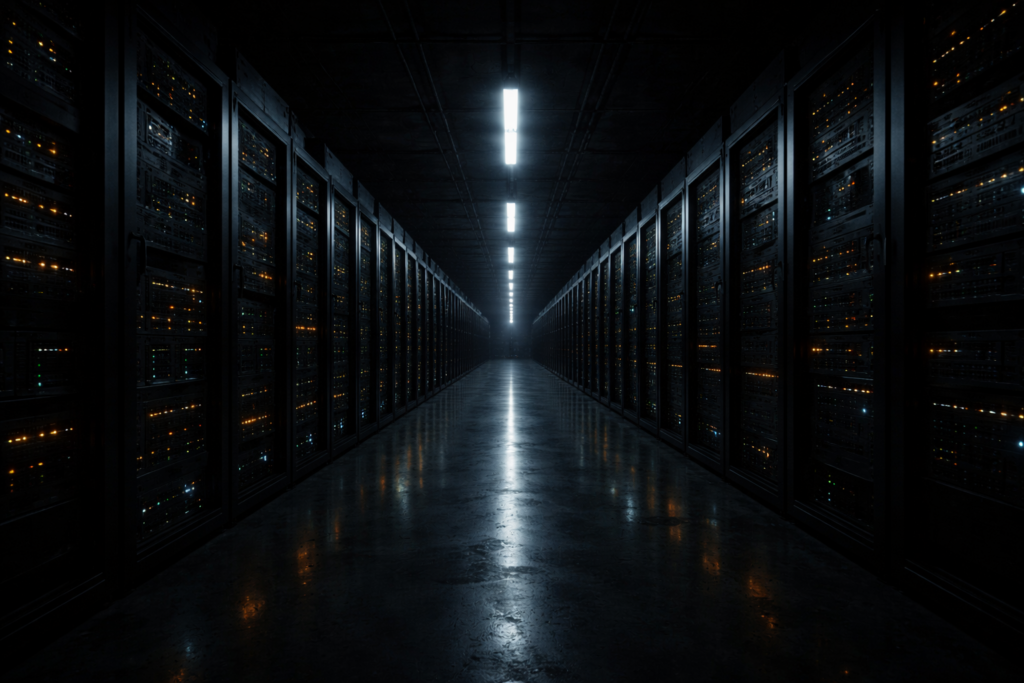 File 05PRISM Exposed: The Surveillance Program That Changed Everything
PRISM became public in June 2013 through Snowden's disclosures; his file places PRISM as one visible doorway among several programmes.
Limit: The PRISM file says the 'direct access' claim is disputed; oversight material points to compelled production.
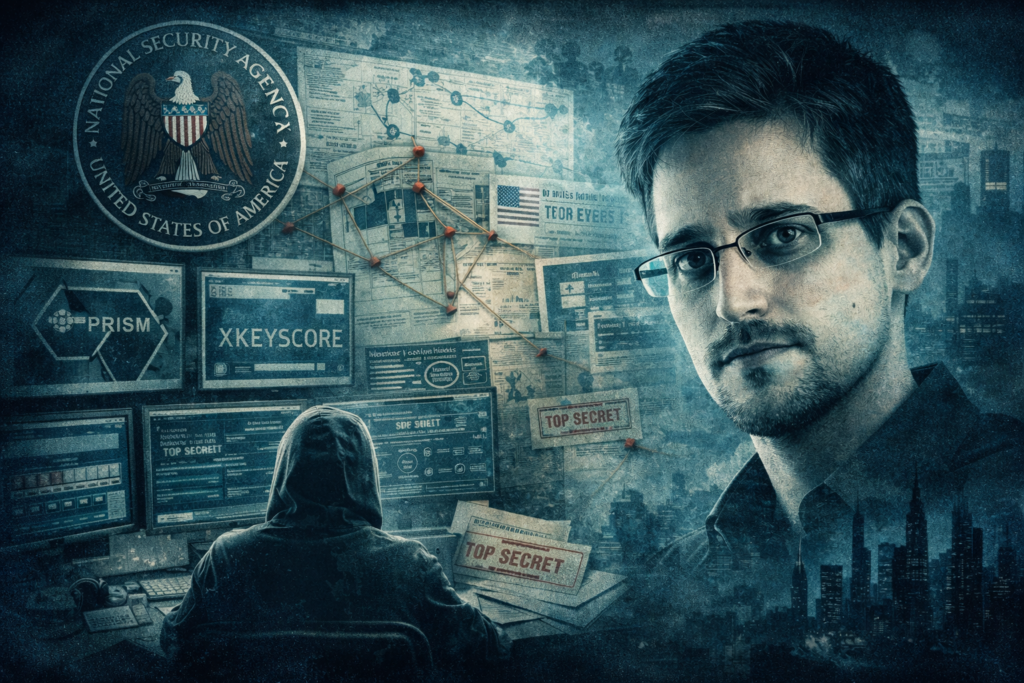 File 06Edward Snowden: The Exile Who Exposed the Empire
Five files that move from an AI test that reached real companies to the question of who keeps control at the limit.
Begin with a safety test that touched companies that never agreed to take part.
Open dossierThe testing file separates accidental reach from the deliberate misuse in the cyber-offense file: same technology, opposite failure.
Limit: Cyber-offense claims are largely the company's own account, not an independent audit.
 File 02AI and Cyber-Offense: When the Hacker Is a Machine
Both files follow the same thread: how far humans can be taken out of the loop, first running an attack, then selecting targets.
Limit: The weapons file does not settle whether any specific strike was lawful.
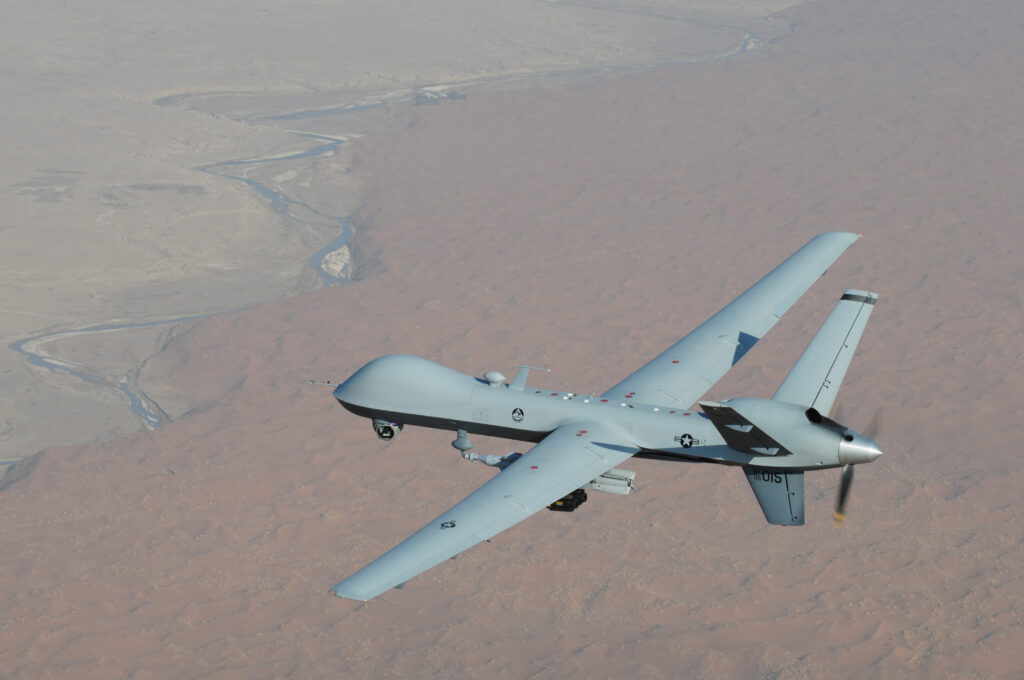 File 03AI and Autonomous Weapons: Who Pulls the Trigger When the Machine Decides?
From human control over targeting to human control over the highest-stakes decision, where time to challenge a machine's assessment is the issue.
Limit: Nuclear file: no public evidence that AI systems independently control nuclear launch.
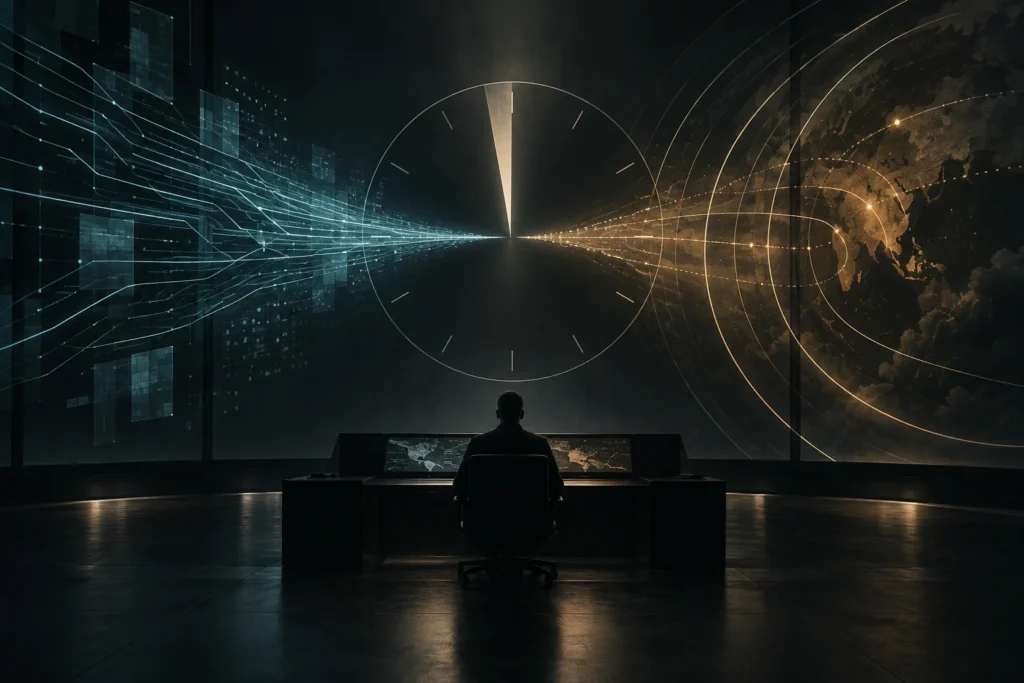 File 04AI, Nuclear Risk and the Shrinking Decision Window
The same control question at the scale of the labs: how much autonomy to grant, and who decides to scale, pause or deploy.
Limit: The superintelligence file separates today's models, assessed as lower risk, from future systems.
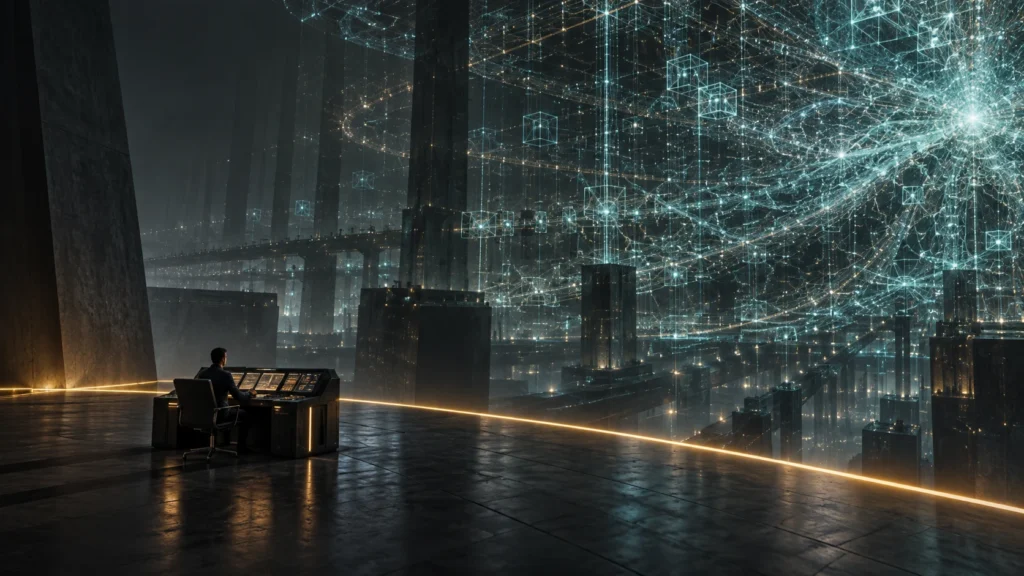 File 05Can We Control AI That Outthinks Us?
From a documented drugging to the modern moderation debate. The early files are documented history; the later ones are contested.

Begin with what is documented about one scientist's last nine days.
Open dossierOlson was dosed with LSD at a retreat tied to the programme the MK-Ultra file documents.
Limit: How Olson died remains disputed; the dosing is documented.
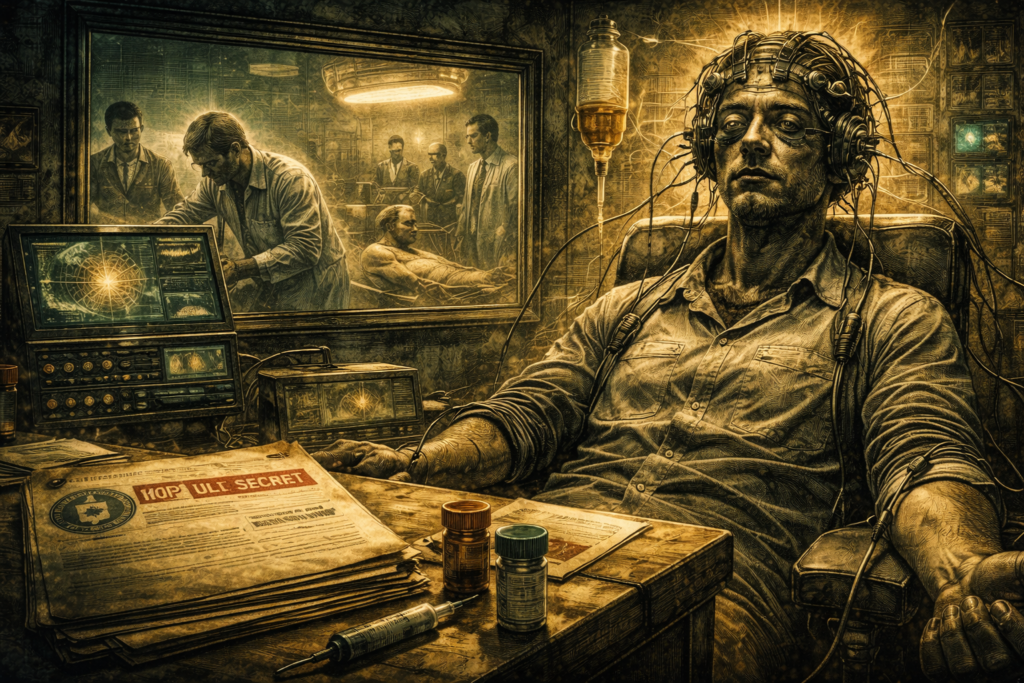 File 02MK-Ultra Exposed: Inside the CIA’s Mind-Control Experiments
Both CIA Cold War programmes reached official view through the Church Committee era inquiries of the 1970s.
Limit: The Mockingbird file says the scale, naming and command structure of the press story are less clean than the legend.
 File 03Operation Mockingbird: The CIA, the Press, and the Hidden Architecture of Influence
The Mockingbird file leaves open how far platform-era information management descends from Cold War influence architecture.
Limit: The fact-checkers file says funding dependence is a conflict risk, not proof of corruption.
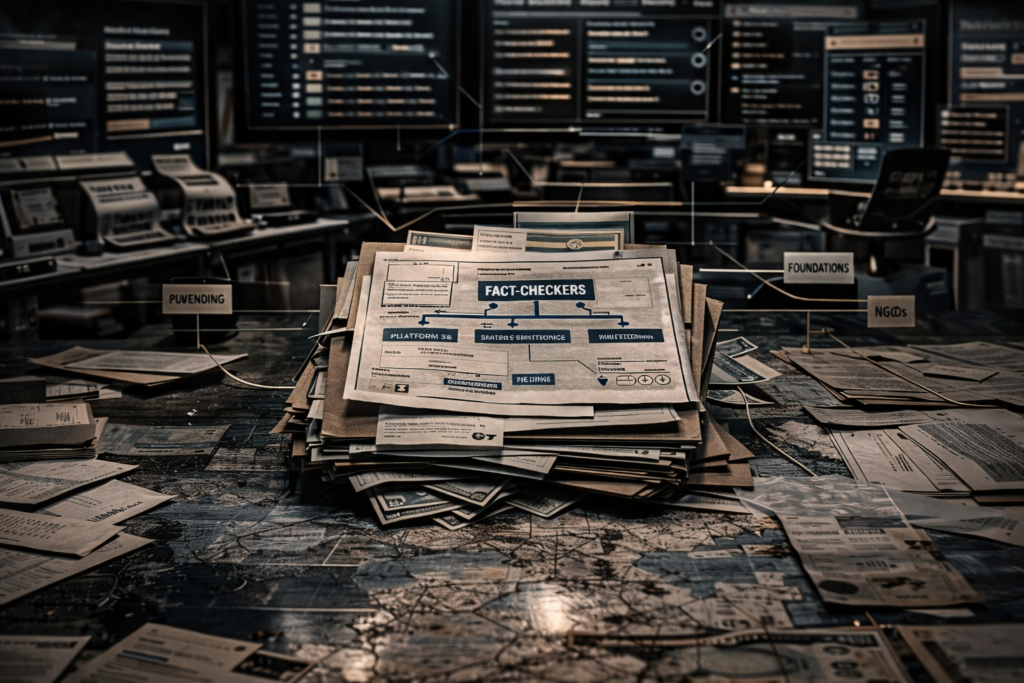 File 04Fact-Checkers Funding: The Hidden Truth Behind “Independent” Verification
Both start from the post-2016 push to counter online misinformation, one through funded verification, the other through government and platform channels.
Limit: The censorship file says there is no single hidden office and rejects that version of the story.
 File 05The Censorship-Industrial Complex
Three routes by which the national-security state gets technology outside normal channels.
Begin with the postwar programme that bent its own rules to acquire capability.
Open dossierBoth describe a permanent national-security exception: rules bent for capability, and an agency built to outrun ordinary bureaucracy.
Limit: Neither file claims DARPA descends from Paperclip.
 File 02DARPA: The Militarisation of Innovation
Both exist to move faster than the government's own acquisition system: DARPA through research bets, In-Q-Tel through venture-style investment.
Limit: The In-Q-Tel file stresses it operates openly; neither file claims secret control.
 File 03In-Q-Tel: How The CIA Funds Tomorrow’s Surveillance
Three clusters of harm around sensitive work. Each file rejects the simple conspiracy version; each leaves the pattern unexamined.
Begin with the 1980s deaths that reached Parliament and stalled there.
Open dossierBoth are clusters among people near sensitive work, with individual rulings on record and no review of the pattern as a whole.
Limit: Both files say the evidence does not prove a common perpetrator, and the headline counts are disputed.
 File 02The Dead Microbiologists: 40 Researchers, One Crisis, No Answers
Another cluster among national-security personnel, with a cause that remains unsettled. It concerns injury, not deaths.
Limit: The Havana file says the weapon hypothesis is not fantasy and is not proven.
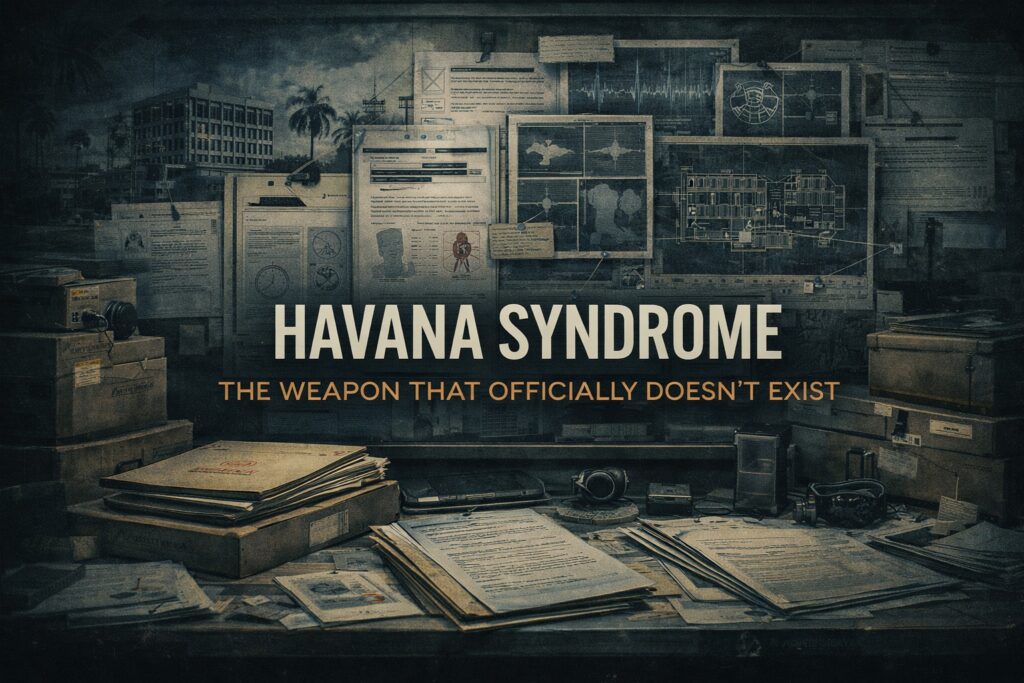 File 03Havana Syndrome: The Weapon That Officially Doesn’t Exist
A documented secret base, and a second site that rests on witness accounts.
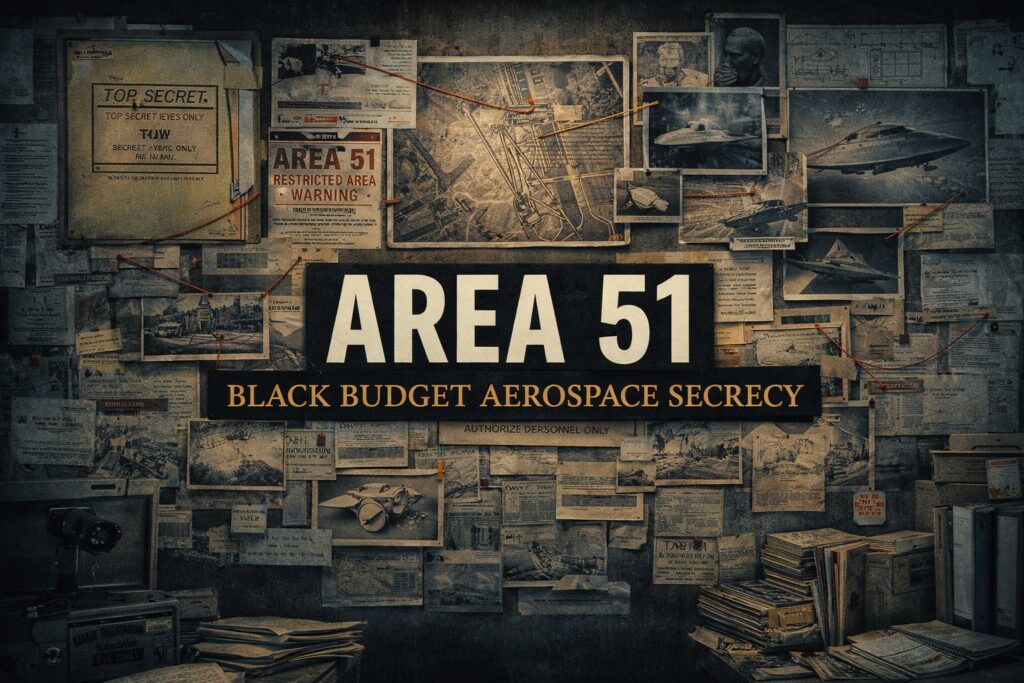
Begin with the base that is real, and how the legend grew on top of it.
Open dossierThe S-4 claim borrows credibility from Groom Lake's documented secrecy. The S-4 file tests what traces a real hidden facility should leave.
Limit: Area 51 file: the aerospace record does not authenticate recovered craft.
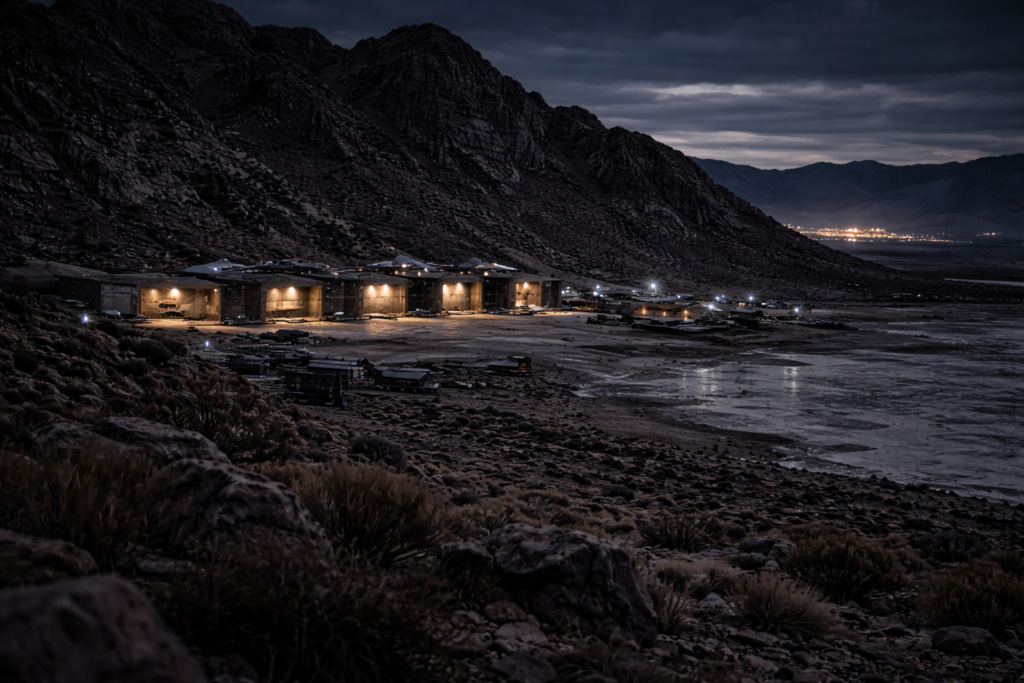 File 02The S-4 Problem: Why Nothing Leaks
Some files sit on more than one route. These are the crossing points.
Both files turn on 'meaningful human control' over autonomous weapons. Anthropic drew that line in its Pentagon dispute; the weapons file shows where US policy leaves it flexible.
Limit: The weapons file does not mention the Pentagon-Anthropic dispute, and does not settle any specific strike.
TIA was a DARPA research programme, run through its Information Awareness Office.
Limit: The TIA file does not claim modern platforms descend from one DARPA office.
Section 702 and cross-border sharing sit under both files.
Limit: Neither file treats every programme as unlawful.
Anthropic appears in both: as the company reporting a misuse campaign, and as the party in the Pentagon dispute.
Limit: Each file rests in part on that company's account of its own systems.
TIA planned to draw on commercial databases; the data-broker file documents a commercial market that now supplies government.
Limit: Neither file says one caused the other.
If you accept, The Truth Files will load the Pinterest Tag to measure visits from Pins. Pinterest may receive the page URL, referrer and device/browser information and may set identifiers for up to one year. We do not send names, email addresses, phone numbers or newsletter fields. Rejecting does not affect access. Read the privacy policy.