
Tripwire Intelligence
Iran and Maritime Coercion
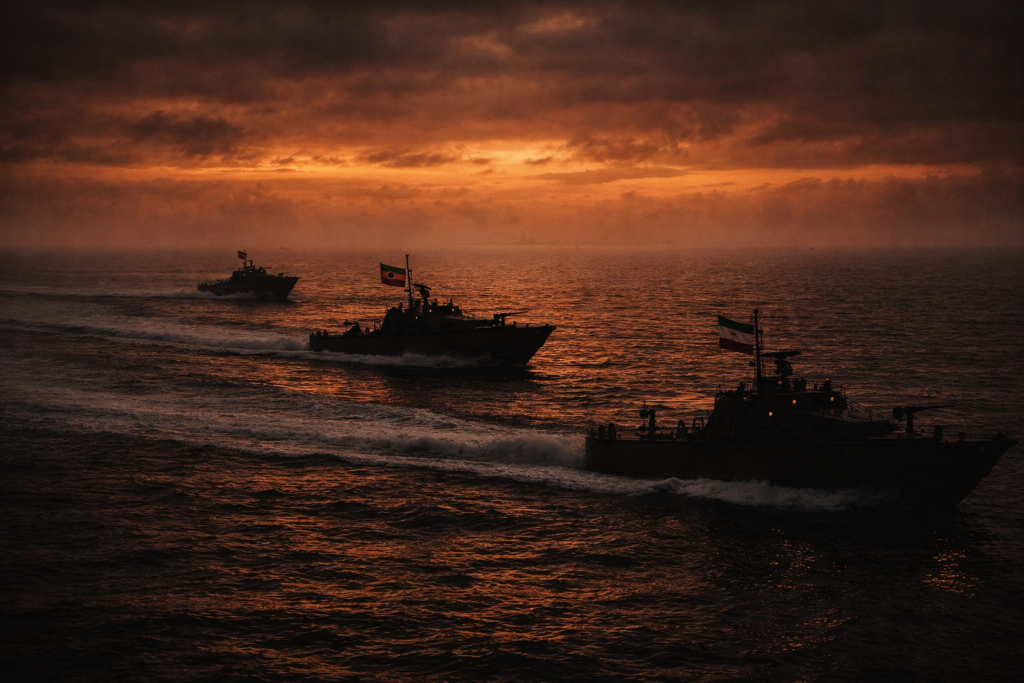
Maritime coercion is documented through seizures, route demands, attacks and military responses. Each event remains source- and date-specific.
The Hormuz Strait and the Squeeze (Retired — merged into Iran: Live Dossier)

Hormuz is a genuine energy chokepoint. Dated unsafe-passage and evacuation records establish disruption, not permanent legal closure or a settled end state.
Arctic Trigger Points

Arctic trigger points are observable seams—airspace, cables, fisheries and Svalbard governance. An incident still needs attribution before it becomes a casus belli.
Militarising the High North
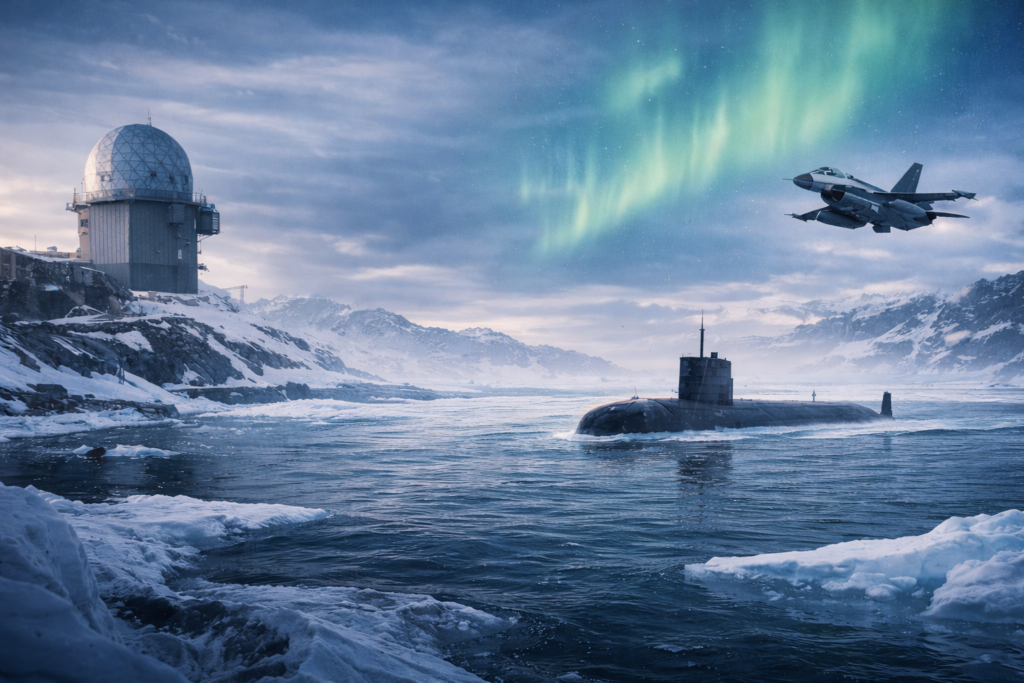
The High North is receiving more allied attention, surveillance and investment. Those records establish posture and capability—not a linear path to war.
Svalbard, Seabeds, and Grey-Zone Claims

Svalbard combines treaty rights, Norwegian sovereignty and distinct maritime-law disputes. Those layers cannot be collapsed into one ownership claim.
Greenland’s Security Deal: What Changes—and Who Keeps Control?

What Greenland’s security deal changes, what remains unsigned, and how US defence access differs from sovereignty and Greenlandic self-determination.
The Northern Frontier

Arctic military attention and infrastructure are documented. Activity does not make escalation inevitable or erase environmental and civilian context.
Security Bloc Pressure Points

Security blocs rarely break through one dramatic fracture. They slow, harden, and misfire through accumulated stress at the seams between movement, production, politics, and public endurance. This file asks a narrower question than summit language usually allows: which pressure points inside a security bloc begin to matter first when a fast external crisis meets a slower collective machine?
Internal Fractures

Official records show common commitments alongside uneven burdens and political negotiation. Friction is evidence of pressure, not proof of collapse.
Eastern Flank Posture

NATO’s eastern flank is where deterrence stops being a statement of intent and becomes a timed transport, protection, and sustainment problem. The alliance has built real forward posture. The contested question is whether forward presence, air defence, mobility corridors, and follow-on force can combine quickly enough to turn exposure into staying power.
Deterrence Credibility
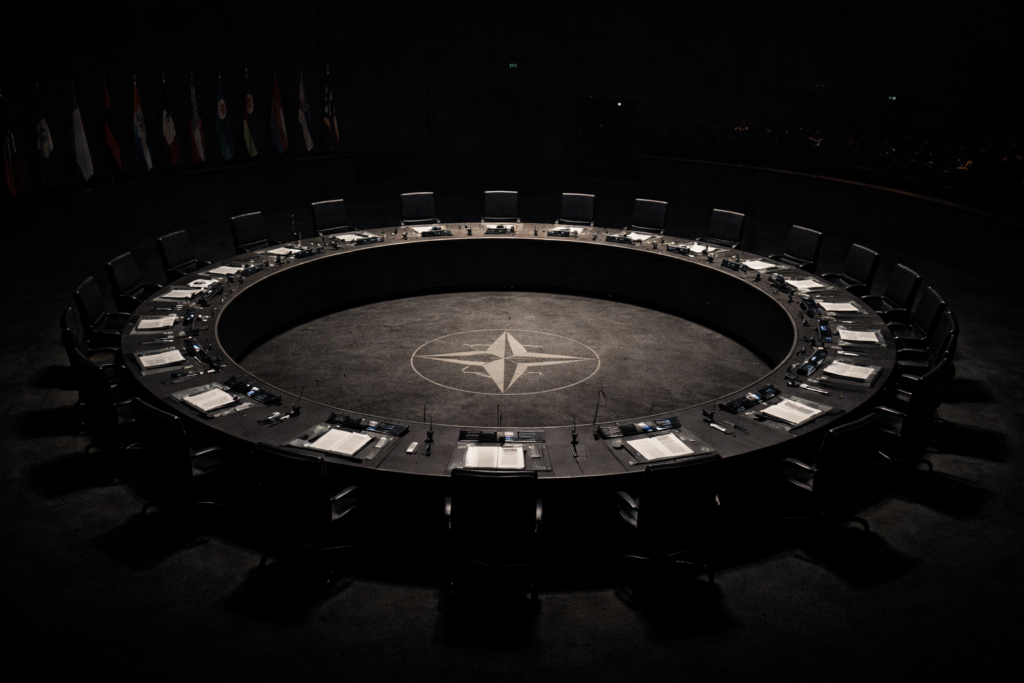
Doctrine and capability programmes are documented. Whether deterrence succeeds in a future crisis cannot be guaranteed by policy text.
Alliance Strain

NATO records show binding political commitments and uneven implementation pressures. Strain is real; collapse is not established.