
Technocracy and Global Governance
Klaus Schwab’s Great Reset

In 2020, as pandemic shock ripped through the global economy, the World Economic Forum launched The Great Reset. It was presented as a blueprint for rebuilding after crisis through greener investment, digital transformation, and a rethinking of capitalism itself. The real question is whether that blueprint is pragmatic reform, or the early architecture of governance shaped by unelected networks.
Davos Technocracy: How Elites Plan Your Future
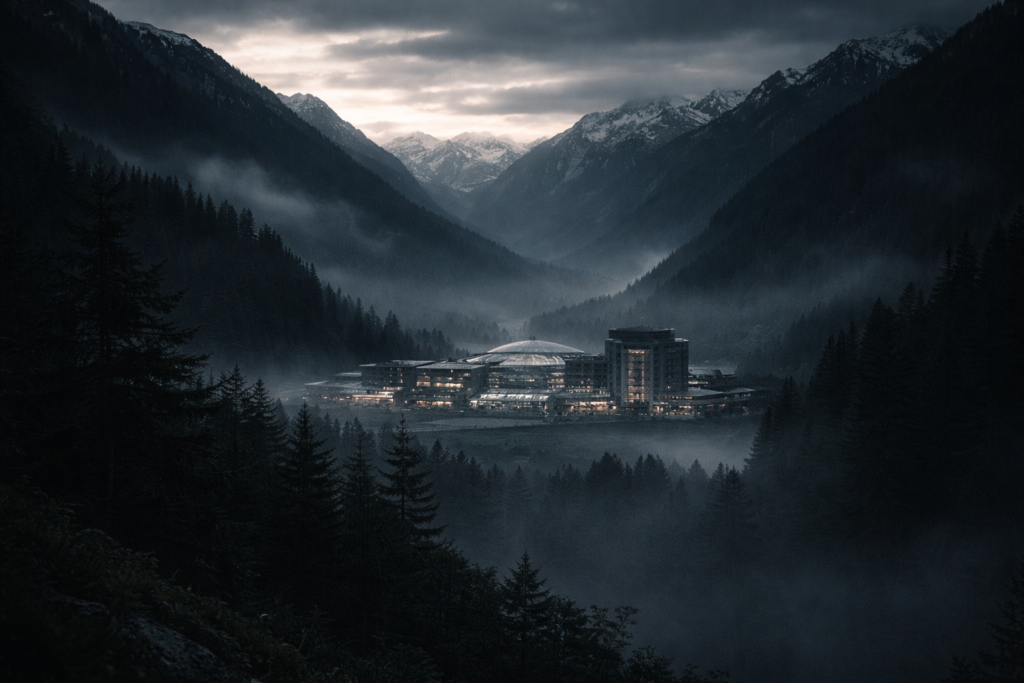
Davos does not pass laws. Its power is subtler: it gathers people who already shape policy, finance, technology, media, and international institutions, then gives them a shared language for what the future should look like.
WHO WEF Global Health: Who Shapes the System?
The COVID era did not create global health governance. It accelerated it. Institutions that already coordinated guidance, funding, and policy networks gained new urgency and a stronger case for deeper integration. The sharper question is not whether crises require coordination. It is whether coordination hardens into a semi-permanent architecture of influence with weak democratic visibility.
Agenda 21: Inside the Global Land Grab Plan
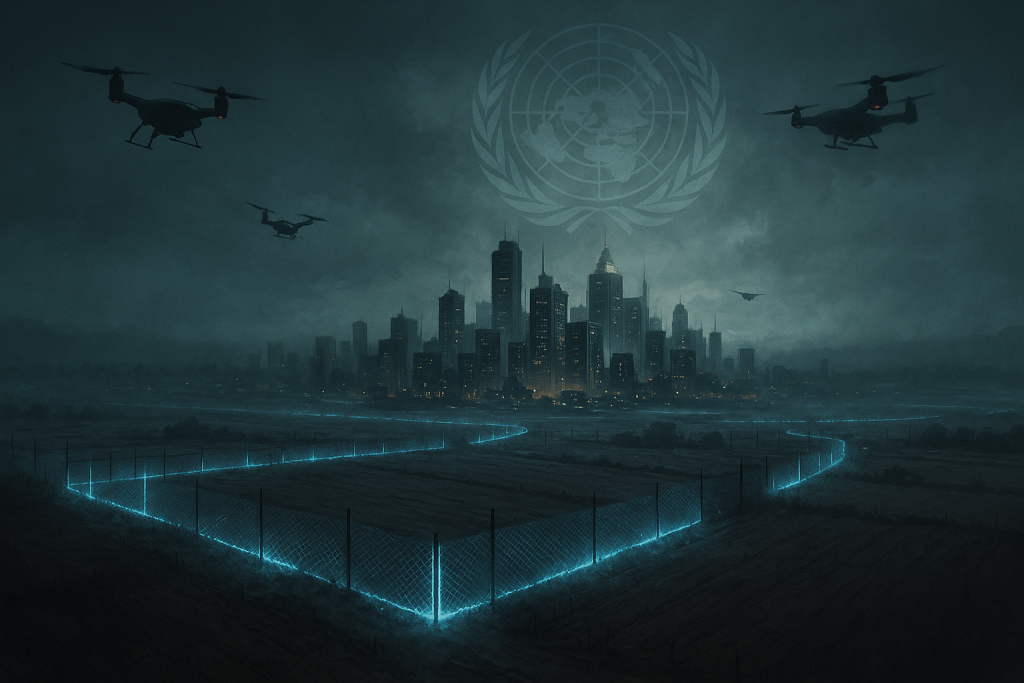
Agenda 21 is one of the most argued-over policy documents in the modern global governance era. To supporters, it was a non-binding sustainability framework born out of the 1992 Rio Earth Summit. To critics, it became the template for a quieter transfer of power — away from voters and toward transnational planning systems, expert networks, and long-horizon regulatory agendas. The hard truth is more complicated than either slogan.
Technocracy: The Rise of Data-Driven Tyranny

Technocracy no longer looks like a man in a lab coat replacing parliament. It looks like software, scoring, dashboards, compliance systems, risk flags, and machine-made recommendations quietly taking over decisions that were once argued in public. The issue is whether political judgment is being displaced by technical management — and whether democracy is not abolished outright, but gradually bypassed.