Truth Archives
Oxferd Comma: Inside the FBI’s Secret Trump–Russia Investigation

The declassified Oxferd Comma files show why the FBI investigated Trump after Comey’s firing — and what Mueller, the OIG and Durham later found.
Inside the Pentagon–Anthropic Standoff Over AI Mass Surveillance

How a Pentagon contract clause over AI mass surveillance and autonomous weapons triggered a $200M standoff — and what it means for Section 702.
AI Compute: The Cloud Chokepoint

AI compute cloud chokepoint is the hidden infrastructure layer behind modern artificial intelligence. The public sees models, chatbots, apps, and safety debates. Underneath, the real power increasingly sits with the organisations that control chips, cloud capacity, hyperscale data centres, energy access, and deployment infrastructure.
Open Source AI vs Closed Infrastructure
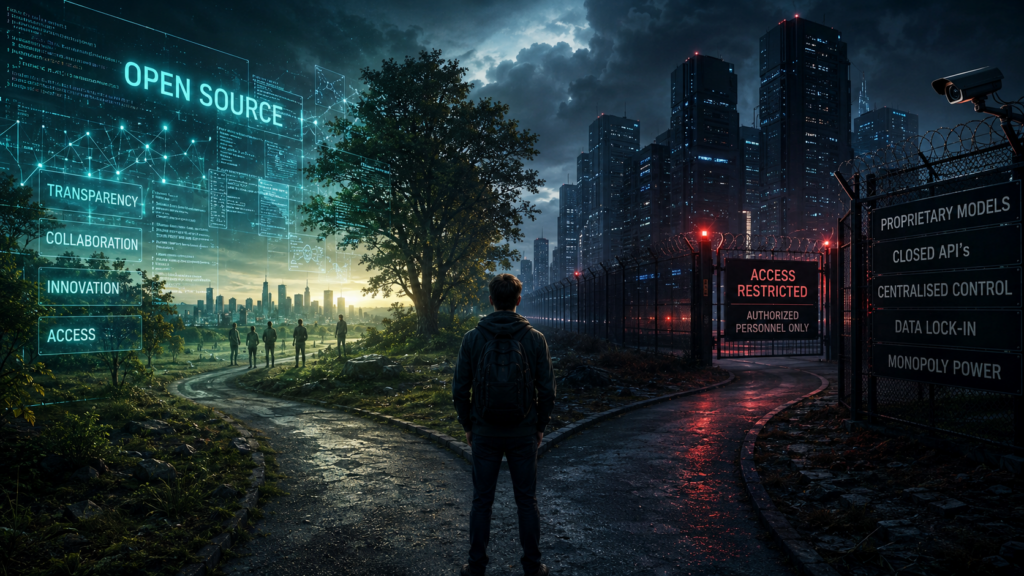
Open source AI is often presented as the democratic counterweight to closed corporate control. But the deeper question is whether open model weights matter if compute, cloud hosting, chips, distribution, app stores, APIs, and safety approval channels remain concentrated.
AI in Benefits, Hiring, Housing, and Insurance

AI in benefits hiring housing and insurance is no longer an abstract governance issue. It is the layer where automated systems can influence work, money, homes, healthcare support, risk scoring, fraud checks, and access to essential services.
Defense Contractors and Civilian AI Procurement
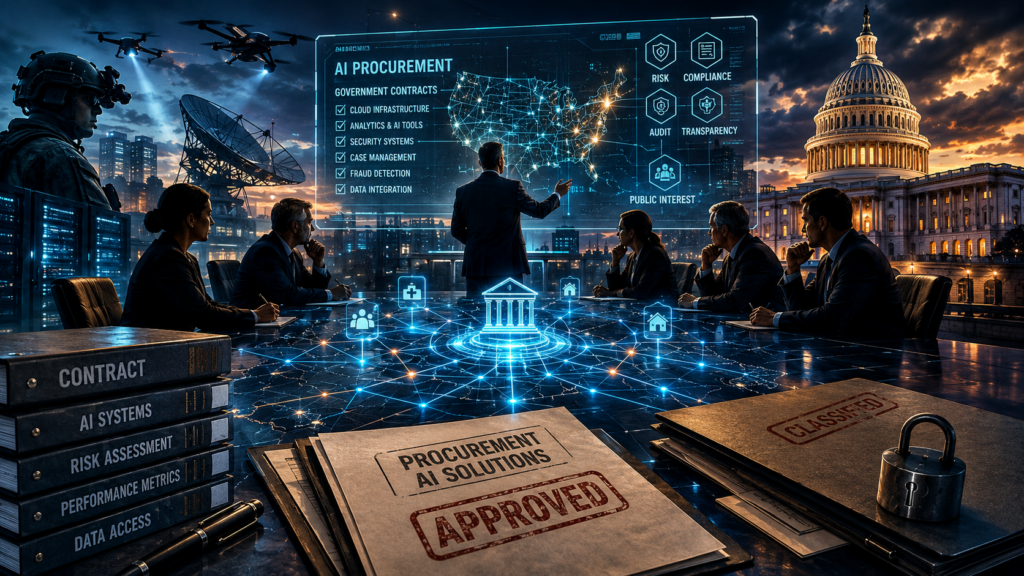
AI procurement is where public-sector artificial intelligence becomes real. The public may debate laws and ethics, but agencies often adopt AI through contracts, cloud services, vendor frameworks, pilots, analytics dashboards, and outsourced technical systems.
AI Standards Bodies: Who Writes the Rules?

AI standards bodies shape how artificial intelligence is tested, audited, trusted, bought, and governed. The most powerful rules may not begin as law. They may begin as frameworks, checklists, certification systems, procurement requirements, and definitions of “trustworthy AI.”
AI Safety vs AI Control
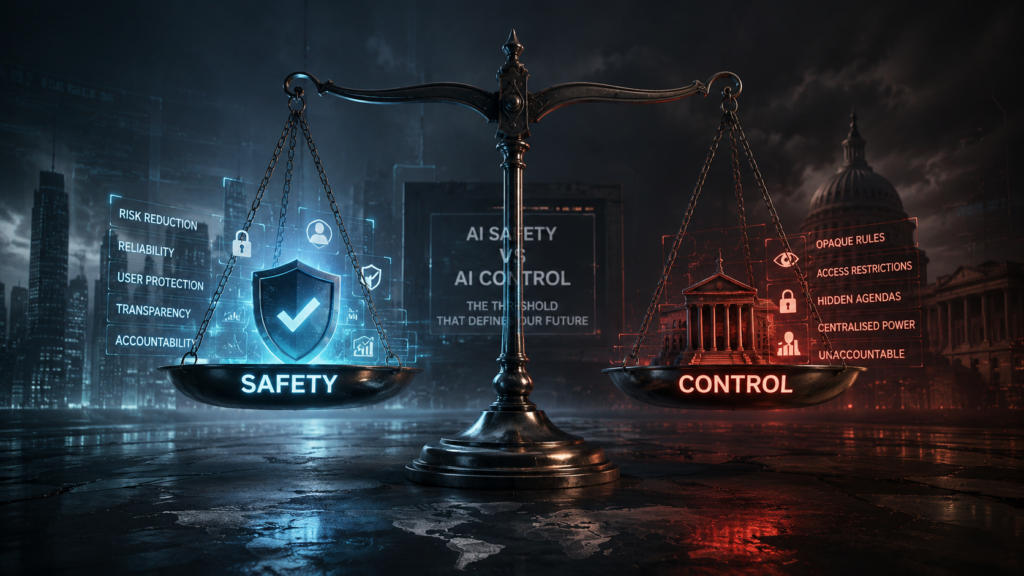
AI safety is the official language of protection. It promises safer models, reduced harm, stronger oversight, and more responsible deployment. But the same language can also justify hidden restrictions, centralised access, opaque moderation, market barriers, and public-private influence over what AI systems are allowed to say or do.
AI Ethics Theatre
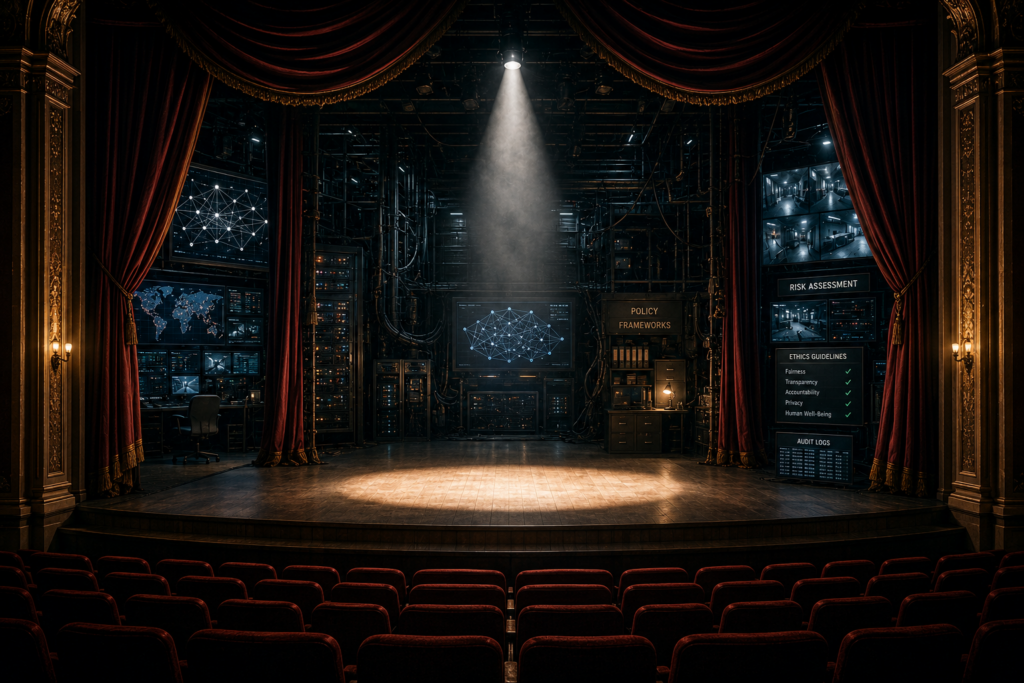
AI ethics theatre is the gap between public-facing responsibility language and actual decision power. Ethics boards, safety pledges, principles, trust frameworks, and advisory councils can improve oversight. They can also create the appearance of accountability while the real power remains with the firms, agencies, funders, and infrastructure owners deploying the systems.
AI Censorship Systems
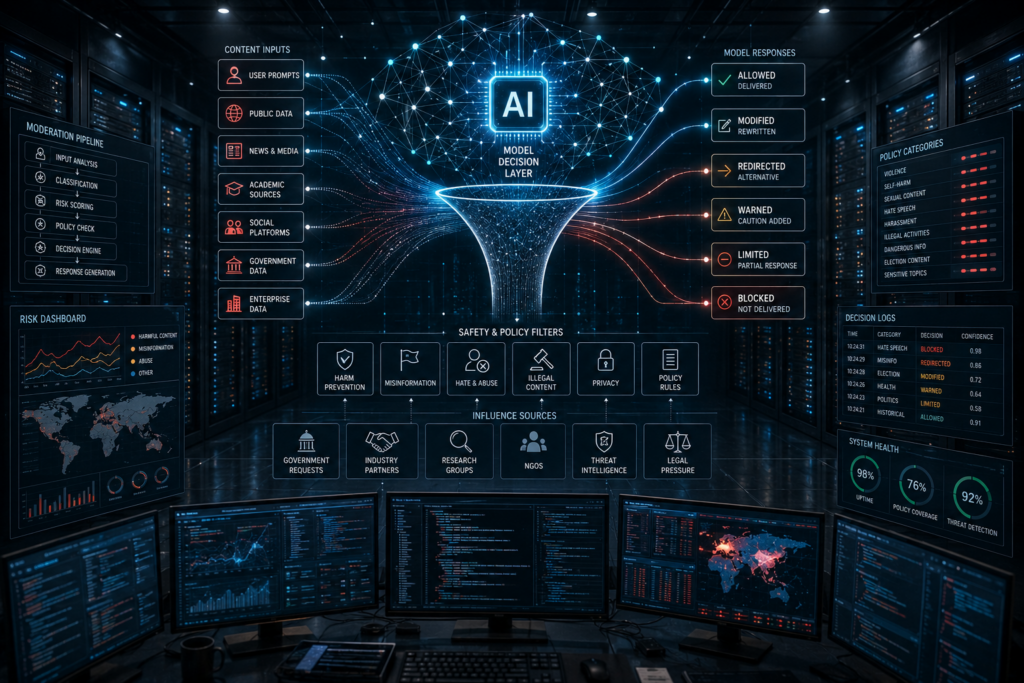
AI censorship systems are not only about banned words or obvious political suppression. They are the hidden control layers that decide what artificial intelligence can answer, refuse, down-rank, summarize, omit, label, redirect, or make harder to generate.
AI Compute Concentration
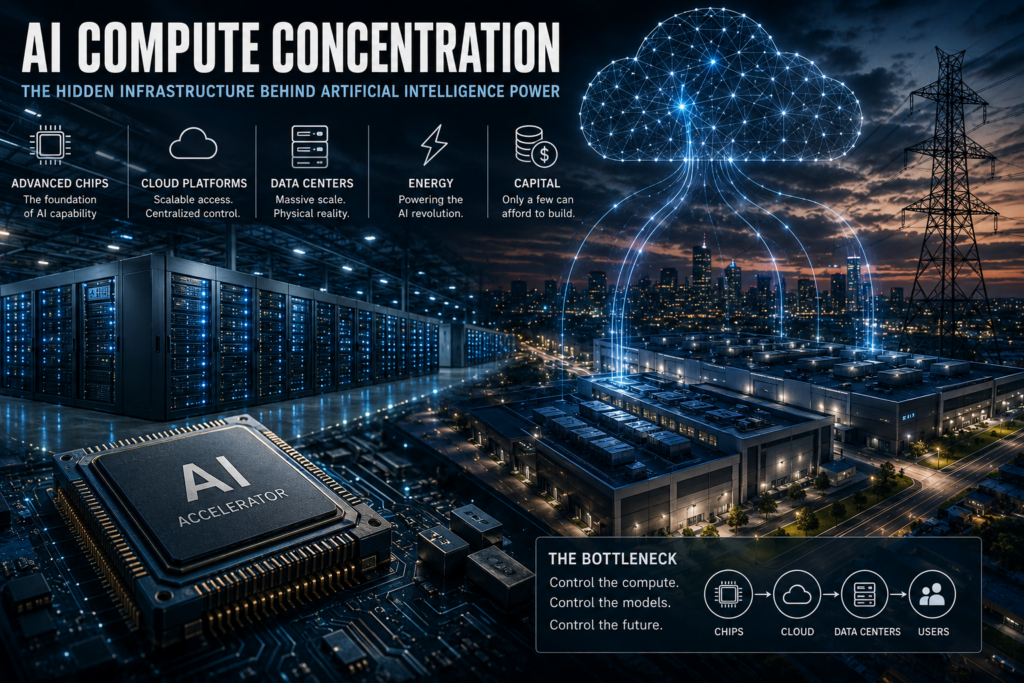
AI compute concentration is the hidden power layer beneath artificial intelligence. The public sees chatbots, image tools, and automated systems. The real bottleneck sits deeper: advanced chips, cloud platforms, data centers, electricity, model hosting, and the firms with enough capital to assemble all of it at national scale.
AI Regulation in America
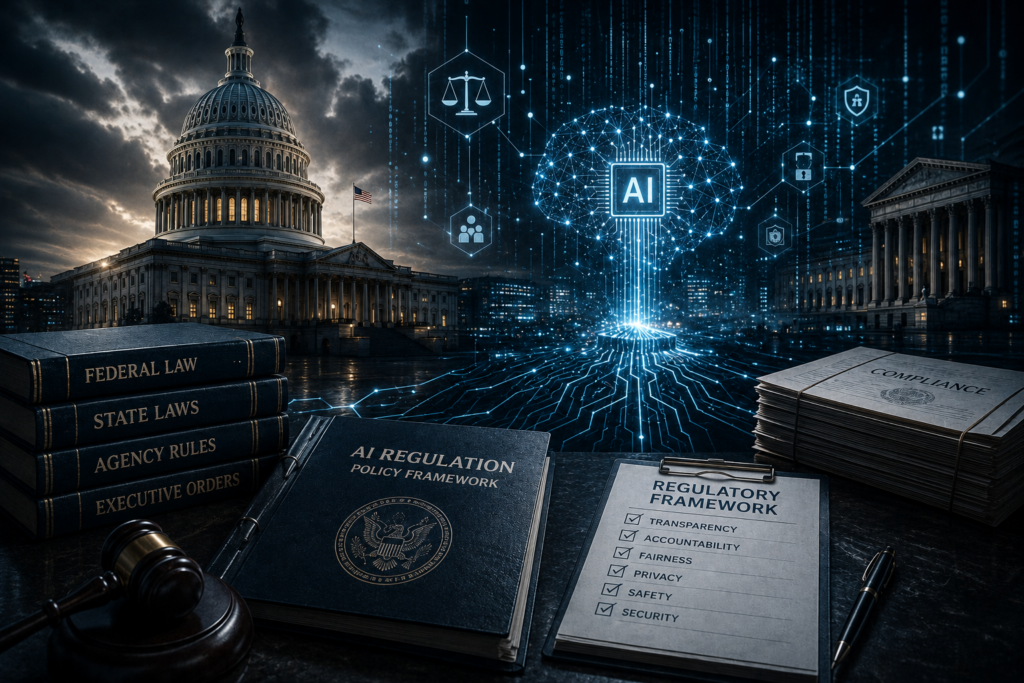
AI regulation in America is not one clean rulebook. It is a contested patchwork of federal agency powers, White House direction, OMB guidance, NIST standards, state laws, procurement rules, industry lobbying, and court-tested legal frameworks that were mostly built before modern artificial intelligence arrived.